
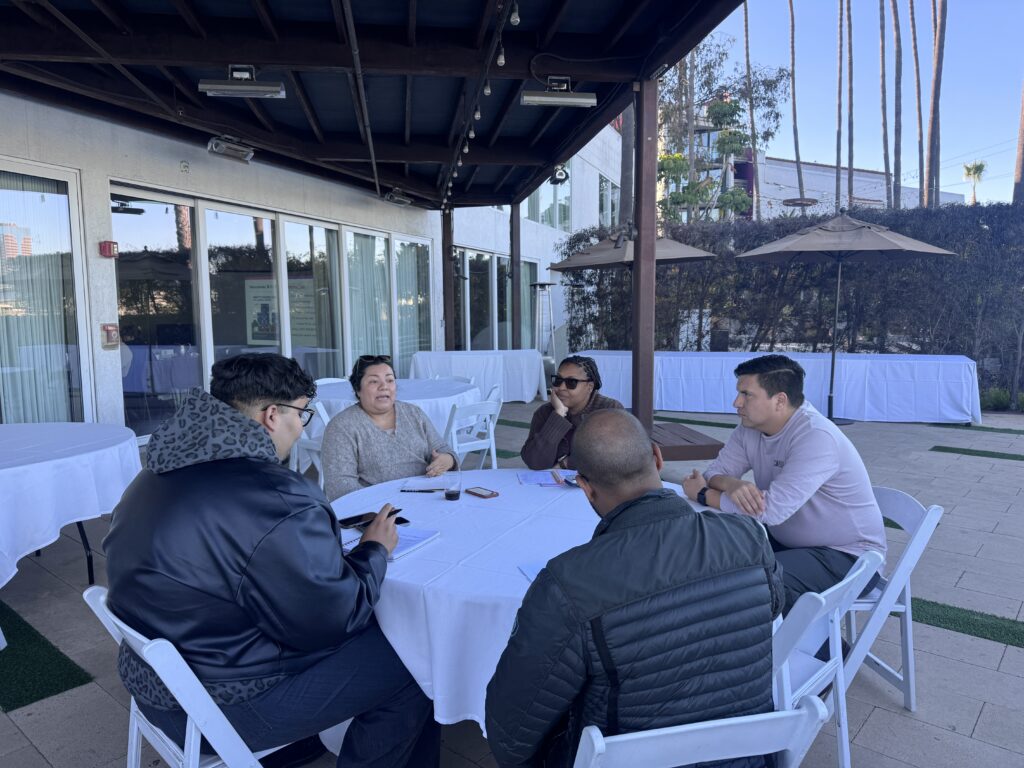
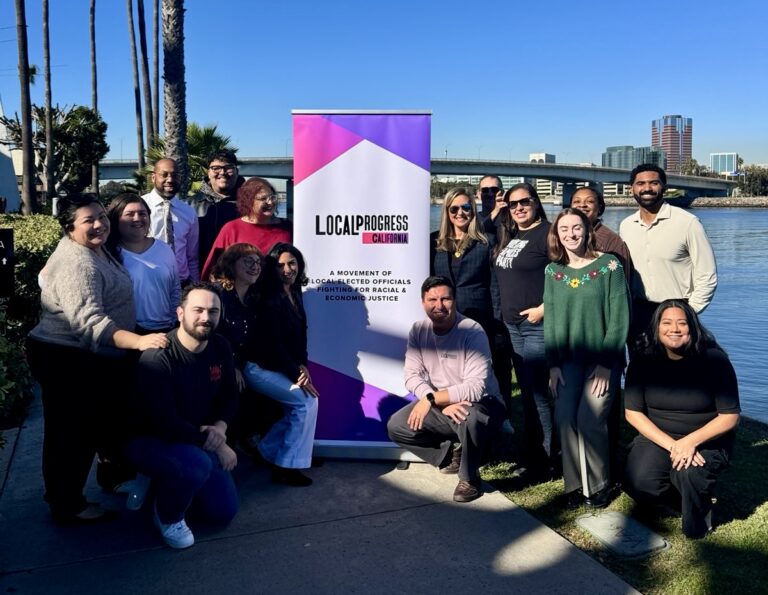
On December 5 and 6, Local Progress California hosted our first-ever State Strategy Meeting in Long Beach. Local elected officials, staff, and movement and labor partners from across the state gathered to build shared vision, set strategic direction, and strengthen the coalition infrastructure needed to advance justice-centered governance across California. Grounded in our values and a clear understanding that local power must be wielded to protect and uplift our communities, we came together to plan for coordinated statewide action in 2026. Throughout the weekend, members engaged in deep discussion, shared lessons from their communities, and identified common ground in the challenges they face.
Members in California have made our voices clear through our actions: we’re committed to fighting back against the spread of authoritarianism and fight for the communities we serve. Following deep discussions and learnings from one another, our priorities focused on securing public spaces for the public good, not for federal immigration enforcement; cutting ties with surveillance technology that feeds community members’ data and likeness to enforcement agencies and contracts that grow profits for corporations on the backs of our most vulnerable neighbors; and building out robust sanctuary policy to keep our students safe and create welcoming school environments.
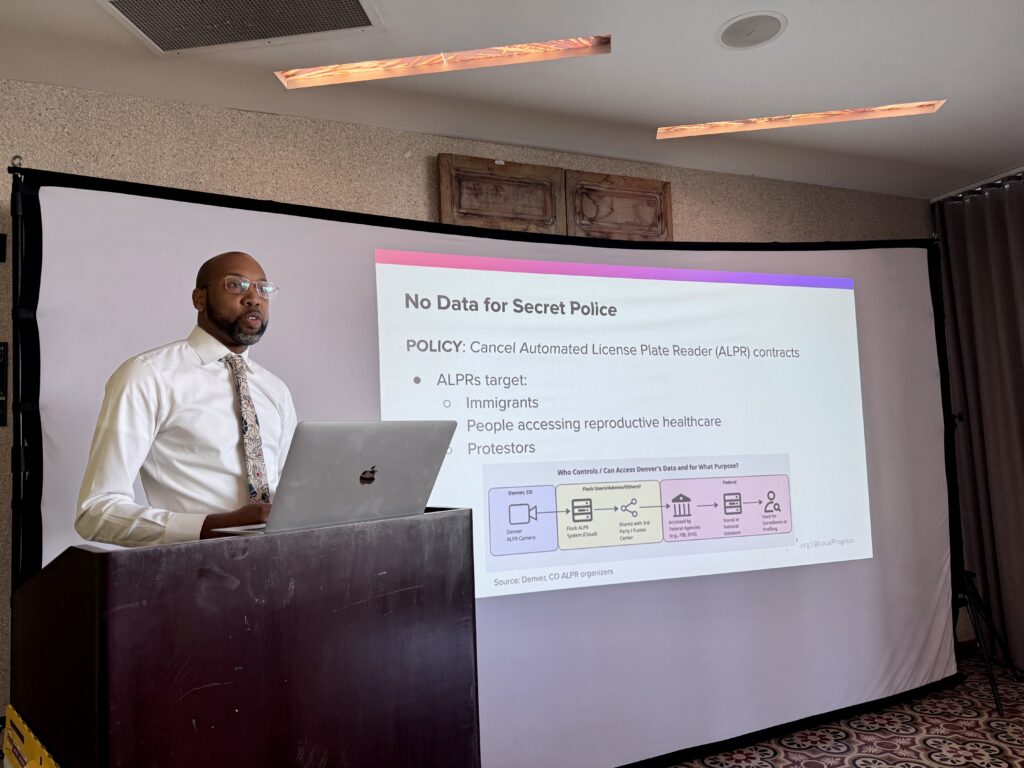
We also confronted the rapidly growing influence of artificial intelligence in our cities, counties, and schools. Drawing from our Local Leadership in the Era of Artificial Intelligence And the Tech Oligarchy toolkit and the lived experience of members both here in California and across the country, we engaged on tough questions around data protection, potential job displacement, and energy overconsumption. Together, we will advance local policy approaches that protect communities while challenging unchecked corporate tech power.
Housing has been the number one conversation in California for a long time and although our members have led the way with tenant protections and rent stabilization, building affordable housing, and fighting to prevent displacement and evictions, we recognize it is the main affordability issue in our state. Our focus will be on learning about the development of social housing, and the development of the local funding mechanisms needed to fund it.
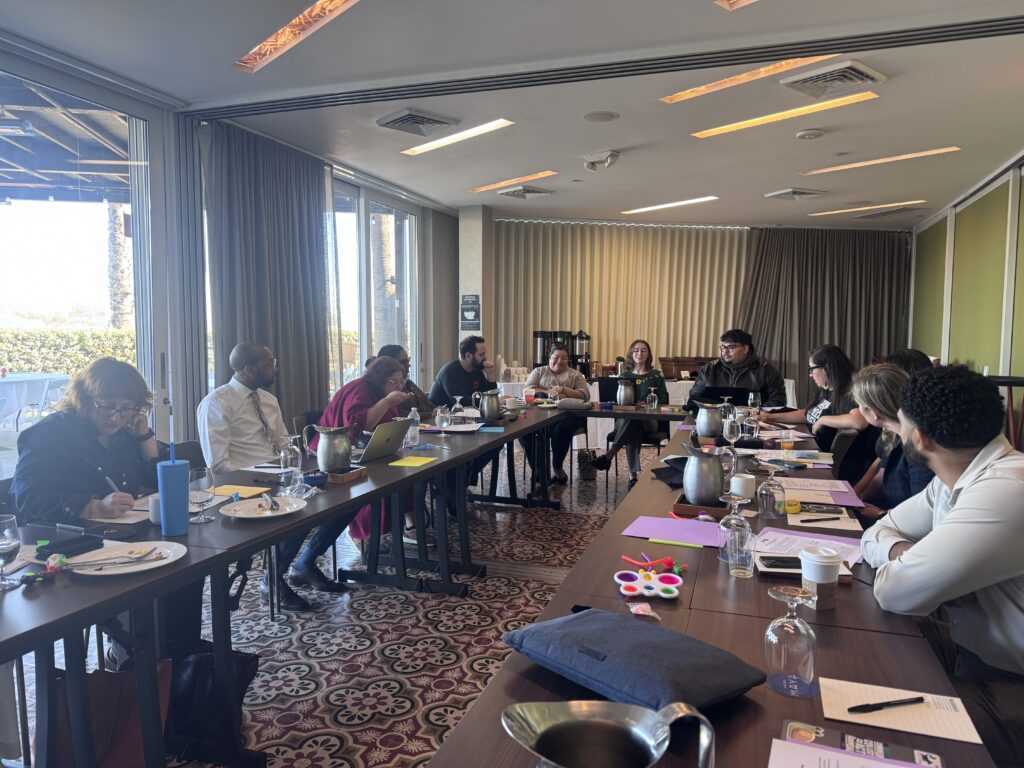
Though our time together lasted only a weekend, it was defined by powerful emotions of grit, determination, the understanding that we’re a part of a broader network of justice-minded leaders, and excitement about what we can build together across our state. Thank you to our partners at California Donor Table, Center for Policy Initiatives, PolicyLink, and United Teachers Los Angeles for participating in our strategy session, learning alongside our members, and contributing to the future of our California work.