
Across Local Progress, we constantly hear the need for new skill development and support from nearly every corner of our 47-state-strong network. From draft policy proposals to legal expertise, local leaders are undersourced not only for the basic tasks of governance but also to realize the vision of racial and economic justice we’re all fighting for. Beyond technical expertise, the call for more support is always for communications training. From navigating difficult press relationships to breaking into short-form video, local elected officials are regularly asking Local Progress how they can meet the moment with their limited resources.
We heard the call for help and launched the Communications Cohort to address this urgent moment.
Two years ago, Local Progress launched our first-ever communications-focused learning cohort to bring real expertise and support to local officials and select staff as they level up their communications skills. Across nine virtual sessions, we guide local leaders through communications theory, skills, and best practices to ensure they produce content and media that anyone would stop to read, listen, or watch.
Through a rigorous application process, we select a diverse group of members from different localities, identities, and levels of government to ensure not only a wide breadth of experiences but also to train a diverse group of new communications leaders. For our second year, we were proud to welcome 18 members from 16 different states, from school board members to small-town Mayors. By updating old sessions and introducing new topics, we worked from January to April to cover everything from how to engage non-English-speaking audiences to real-life case studies so members could apply their new skills in real time. We started with almost 20 members, some of whom were new to communications, and ended with a trained cohort of communications professionals.
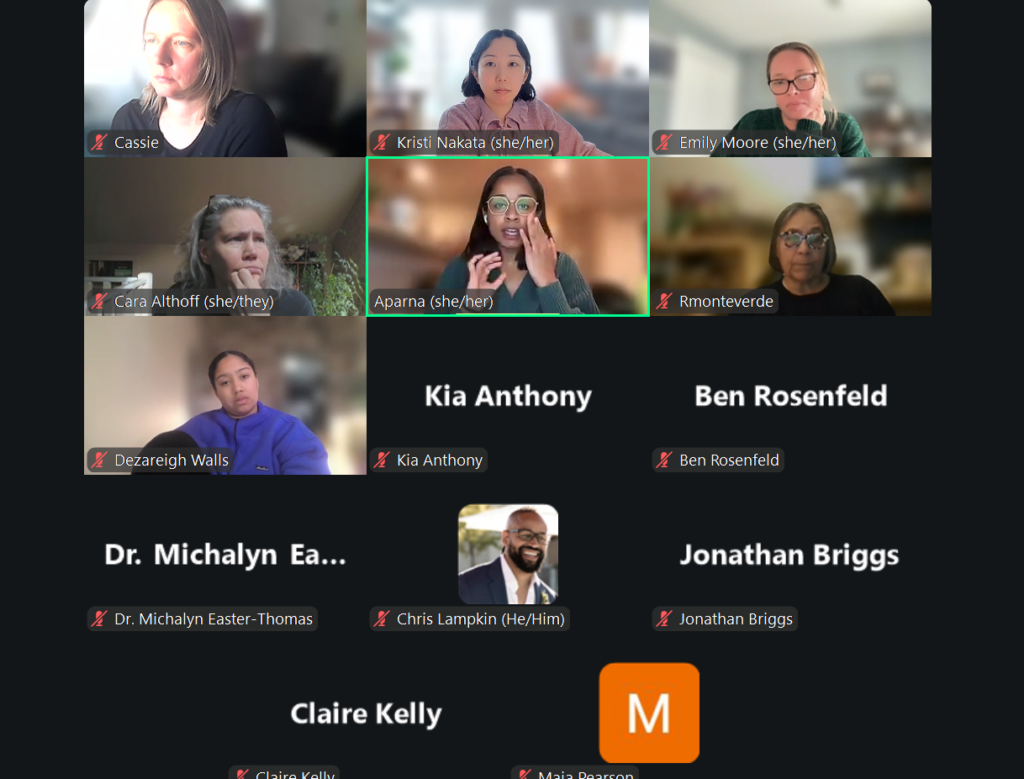
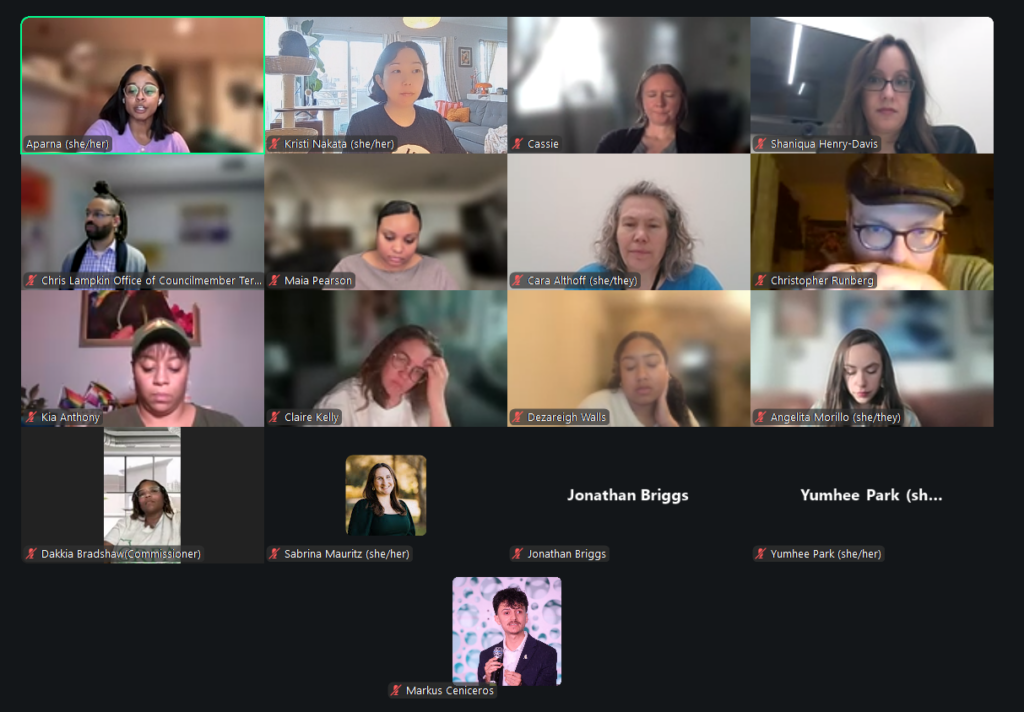
A sampling of screenshots from our virtual sessions!
But no cohort is complete without an in-person trip to tie all the learnings and skills together.
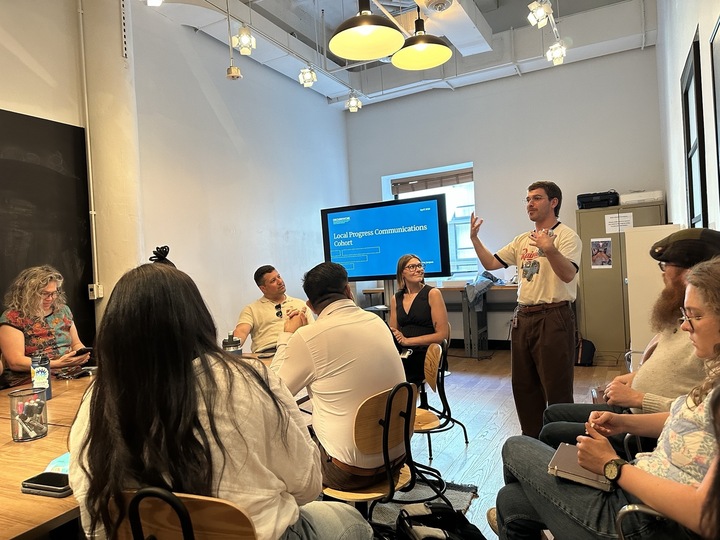
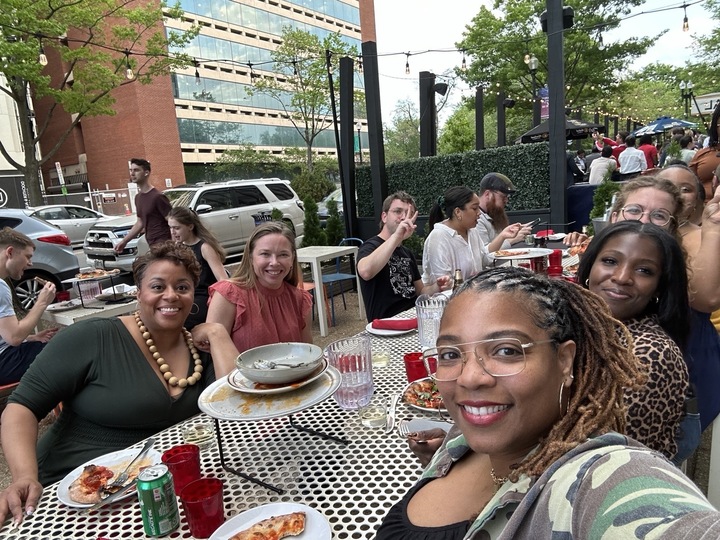
For our second year in a row, we were thrilled to return to Washington DC to see some of the best communications professionals in action. During a blistering-hot two-day trip, we met with local journalists at the local NPR affiliate WAMU to hear firsthand from journalists on the ground. We also met with our partners at Groundwork Collaborative to get a sense not only of the work they do but also of the critical polling data that informs their economic messaging. On our second day, it was a back-to-back blitz on Capitol Hill, meeting with not just one but four communications staffers to get firsthand insight into the advice they’re giving to our federal representatives.
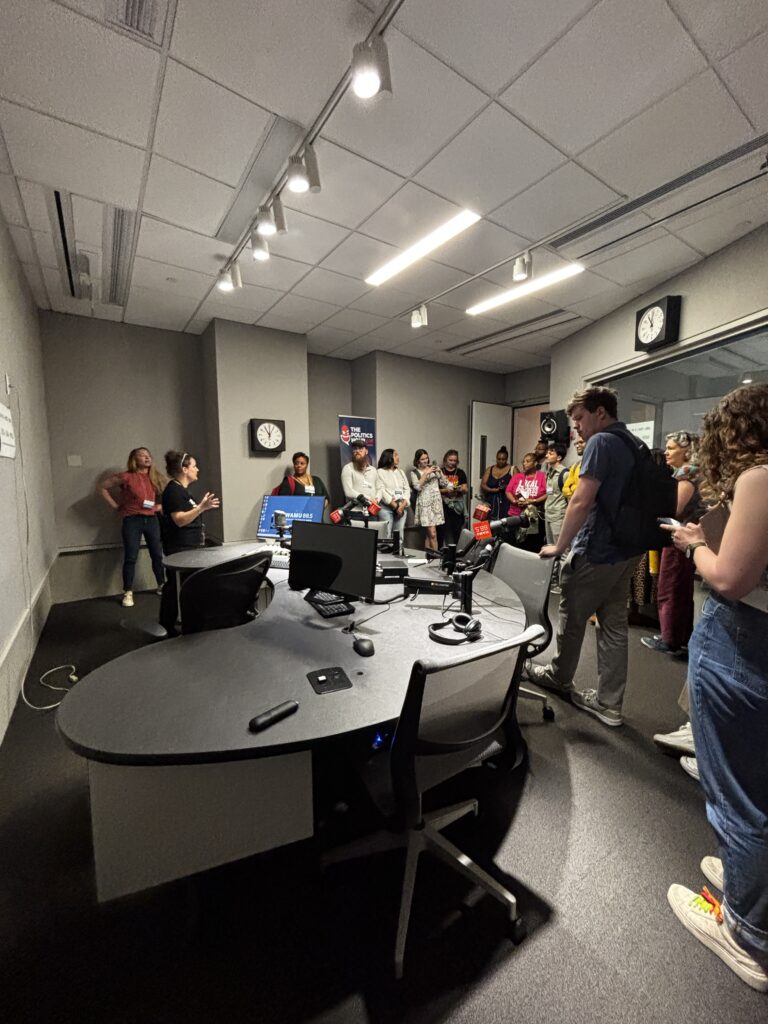
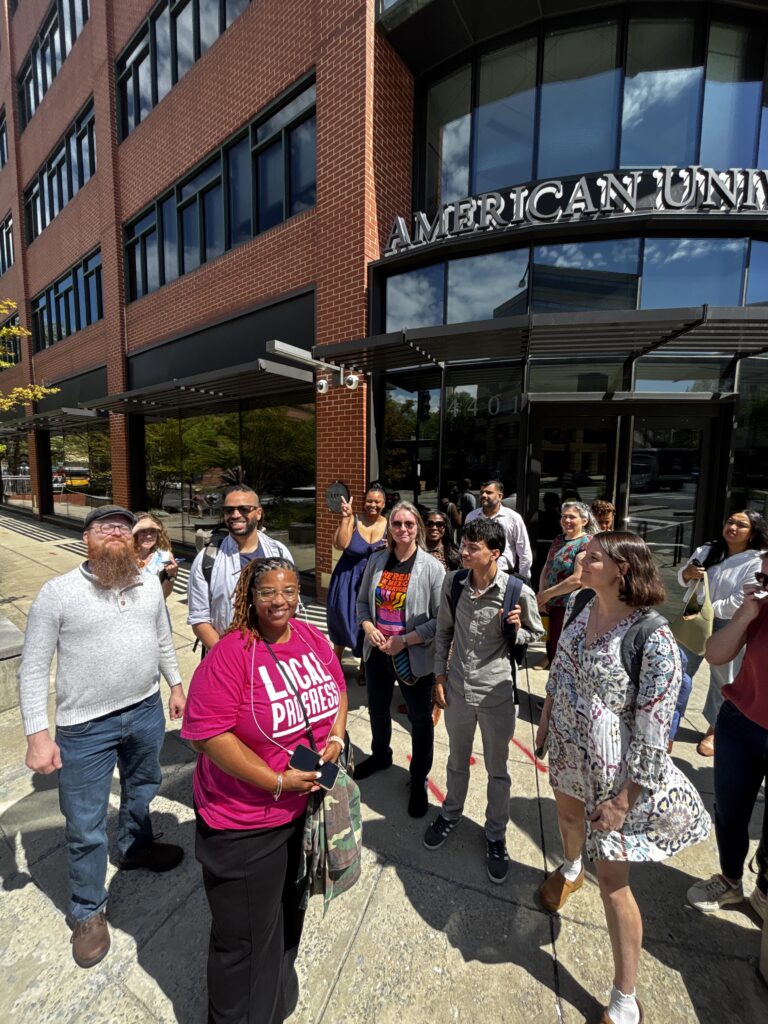
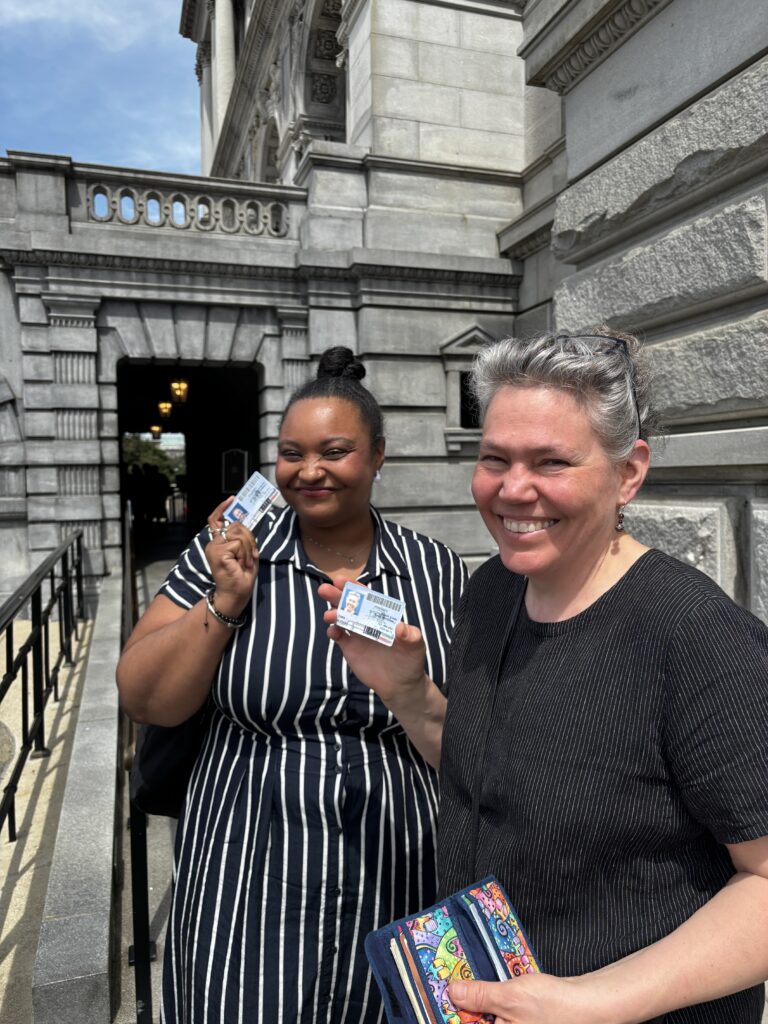
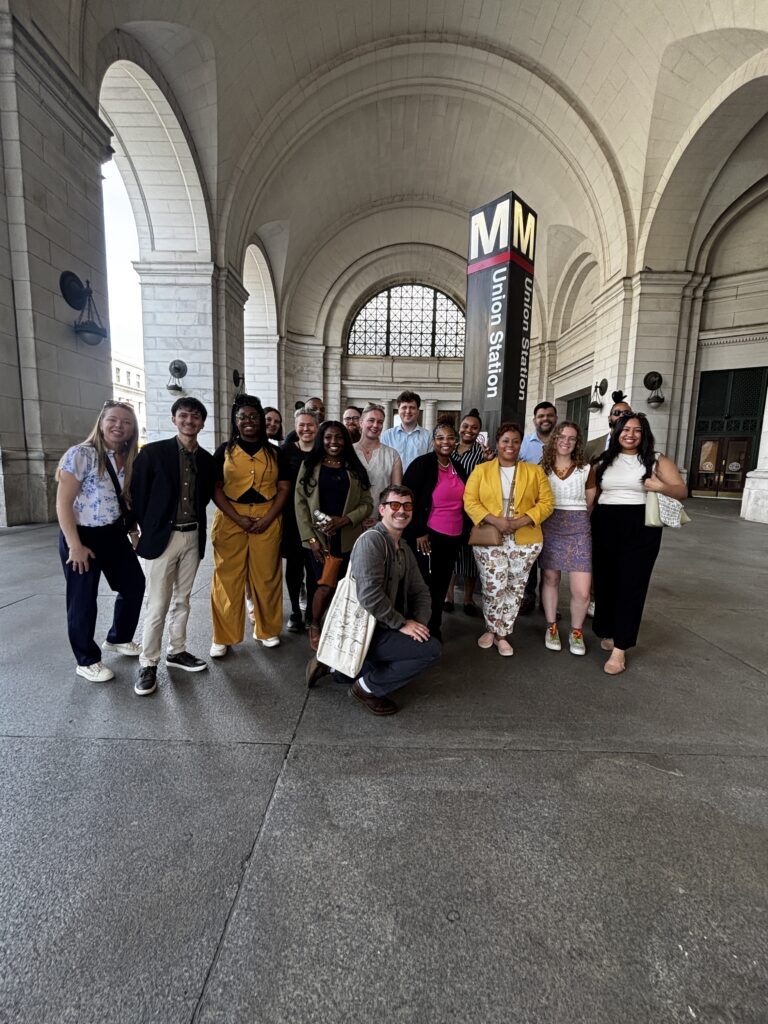
Some photos from our amazing DC trip!
Spending 12 weeks together, the Local Progress Communications Cohort built unbreakable bonds that will last long past the end of our time learning together. But beyond the social connections we made, we, as staff and Local Progress members, came away with important lessons.
- Investing in local leaders works.
- Without staff or dedicated communications support, many local elected officials abandon much of the critical communications work needed to keep their communities informed. Offerings like the Communications Cohort not only help to build skills but also boost confidence in managing communications work for local elected officials. The communications cohort is another great example that when organizations invest in skill development, they can achieve incredible results.
- Communications is no longer an afterthought.
- With shrinking newsrooms and short-form video taking over all forms of media, communications can no longer be something that’s “nice to get to.” In 2026, all of our members recognize that it’s not only about advancing their political priorities but also about keeping their communities informed. There are fewer options than ever to connect with people beyond communication tools, making it essential for local leaders to be well-versed in best practices and well-connected, both online and in person.
- Don’t be overwhelmed – do what you can.
- Many of our members lack the time to run a full-scale press and digital operation. Many without staff need to choose which communication tool to use and prioritize the best results there. Forcing an “all the above” approach for local officials without staff is a quick way to decision paralysis, and we need to orient our members toward immediate action. Across the Communications Cohort, we stressed to members that they should do what they can with their skills and limited capacity. By leaning into the platforms that connect most with their communities, they can both strengthen their comms skills and ensure their message reaches the people who need it most.
The Second Comms Cohort class.
- Emily Moore – MN
- Claire Kelly – CO
- Cassie McClure – NM
- Chris Lampkin – WA
- Dezareigh Walls – TX
- Christopher Runberg – MI
- Kia Anthony – NC
- Nicole Bolden – IN
- Cara Althoff – OR
- Michaleyn Easter-Thomas – TN
- Maia Pearson – WI
- Jonathan Briggs – MD
- Dakkia Bradshaw – GA
- Ramona Monteverde- NY
- Ben Rosenfeld- Washington D.C.
- Sameer Kanal – OR
- Jenny McAdams – CA
- Markus Ceniceros – AZ