
On January 2, 2026, California’s statewide ban on the use of algorithms to coordinate rental prices took effect. This marks just the second state in the US, following New York, to ban the harmful and predatory practice that explicitly puts profits ahead of people’s ability to access housing. The passage of these statewide bans means that renters in the two states with the highest concentrations of renters are now protected from exploitative price fixing. The past year of organizing by LP members to first pass algorithmic rental price fixing bans at the local level built the momentum and pressure for eventual statewide passage.
LP & Banning Rental Price Fixing: A History
This work began in early 2024 with the co-release by Local Progress and American Economic Liberties Project of a memo on Rent-Setting Software Algorithms detailing the harms to everyday working class families who rent. The memo and subsequent virtual programming served to inform the LP network of this emergent issue and to activate members into coordinated action to ban the practice. In some metro areas, rental price fixing had played a significant role in double-digit rent increases as documented thoroughly by the DOJ lawsuit and reporting by ProPublica. Because software algorithms were being used by large landlords and property management companies that make up over 90% of investment-grade (50 units or more) apartment complexes, the impact was immense.
What is Rental Price Fixing and How Does it Work?
Landlords provide information on their rental units and vacancy rates to third party service providers like RealPage. RealPage’s algorithms analyze that private, sensitive data along with vast amounts of public data, then give recommendations to landlords regarding rent prices, concessions and vacancy rates that promise to boost their profits while artificially hiking up housing costs for tenants. It’s collusion by any other name. The practice has been linked to dramatic rent increases and higher eviction rates across almost every major jurisdiction in the country.
LP Members Rise Up Against Rental Price Fixing
Following the memo release and virtual programming, Local Progress convened a group of LP members from four jurisdictions who were interested in working closely on passing legislation in their respective cities to ban this practice. Among that initial group were LP members and then-President of the San Francisco Board of Supervisors Aaron Peskin, and then-San Diego City Council President Sean Elo-Rivera.
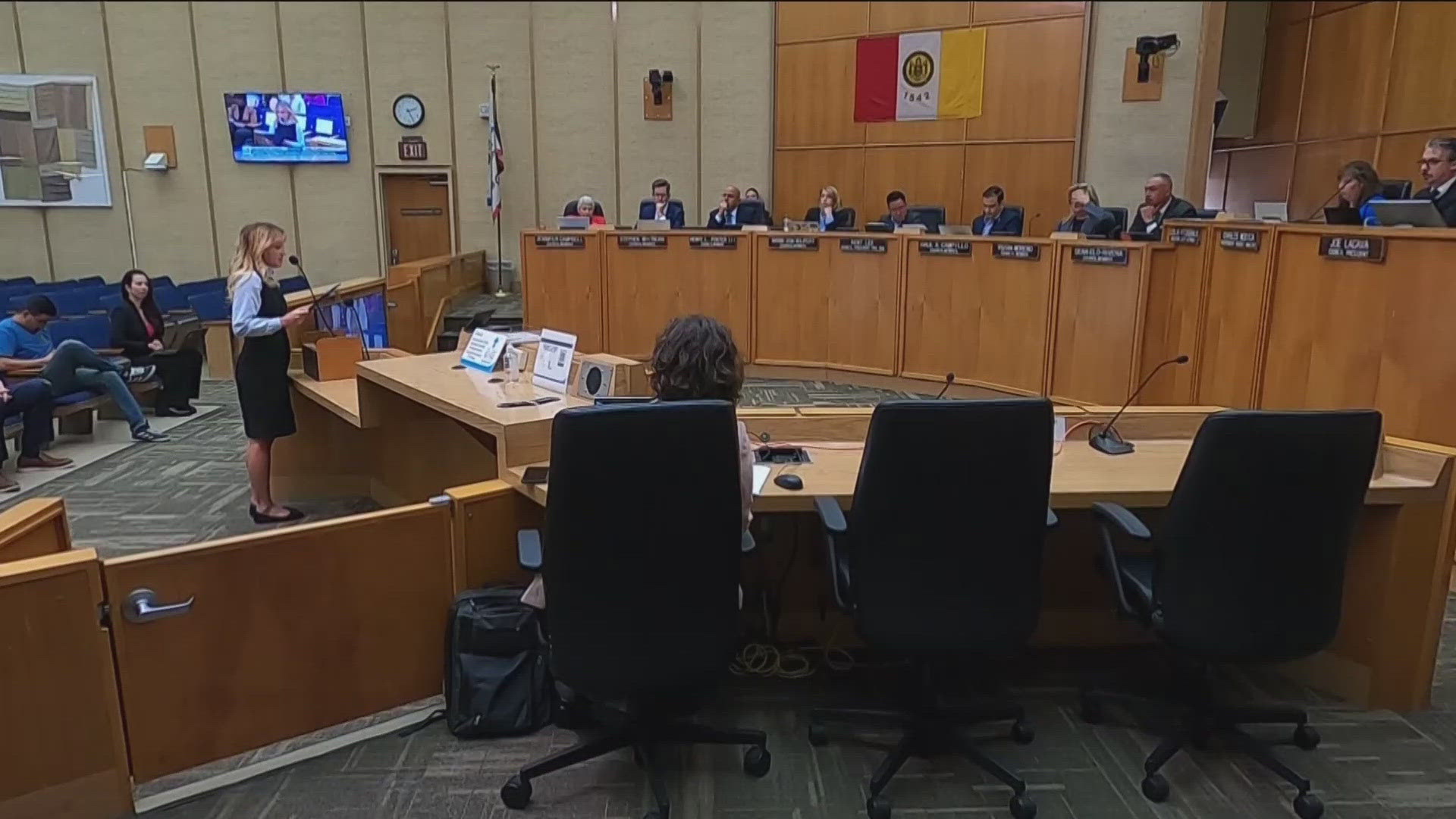

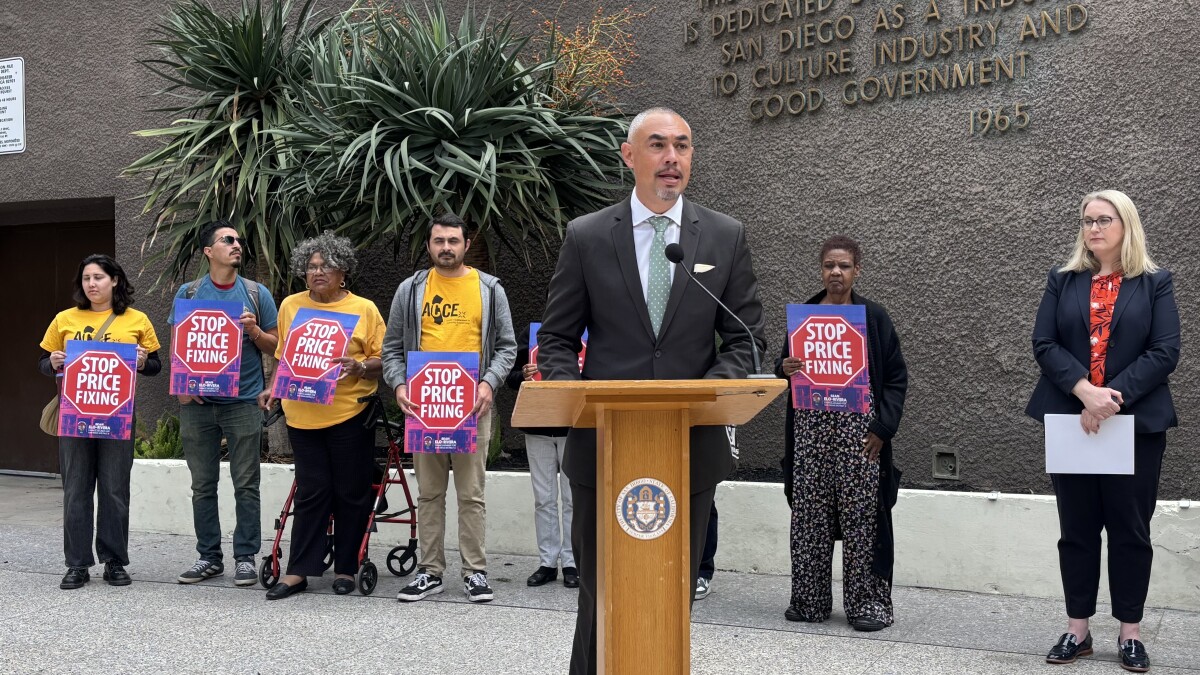
Source (from left to right): CBS News 8, NBC 7 San Diego, KPBS
Over the subsequent months Local Progress met with these members and their staff to refine ordinance language, develop talking points around the legislation, organize strong bases to support the bans, and provide jurisdiction-specific data. The space Local Progress created for this group included multiple virtual meetings and an in-person meetup that allowed jurisdictions across the state to collaborate on their tactics and share strategy on everything from how to combat opposition messaging to how to work with industry partners to get them on board with the legislation.
In September 2024, just six months after our initial meetings, San Francisco became the first jurisdiction in the US to ban rental price fixing algorithms. Energy felt in San Francisco carried throughout California as they were joined over the next few months by Berkeley (March 2025), San Diego (April 2025), Santa Monica (July 2025) and an ordinance proposed in San Jose (June 2025). With each introduction and passage, LP members came together to provide peer-to-peer support. While leaders in California jurisdictions have made up the largest share of rental price fixing bans, there are a total of thirteen jurisdictions across the country who have passed rental price fixing bans, including Philadelphia, Providence (RI), Minneapolis and Portland (OR). This has created a strong cohort of LP members who have provided ongoing support to each other and additional LP members interested in passing this legislation.
Local Progress is proud to organize alongside our members who never shy away from a fight to protect the communities that most directly feel the impacts of the housing crisis. While the federal government continues to cut critical housing funds and guts consumer protection agencies, it’s up to local elected officials to show how government can be a force for good.