

✊🏽 LP Members and Caucuses Speak Out on SCOTUS Immigration Rulings
Following a week of historic SCOTUS rulings, LP members in Las Cruces, Ramsey County, Round Rock, and the Nuestro and Black Caucuses responded to two contrasting decisions that reshape the immigration landscape both nationally and locally.
Local electeds across the country are speaking out to celebrate the victory upholding birthright citizenship. Statement led by Las Cruces (NM) City Councilor Johana Bencomo, Ramsey County (MN) Commissioner Mai Chong Xiong, and Round Rock ISD (TX) Trustee Estevan Zárate, they emphasized the ruling protects the core constitutional rights of our neighbors and finally brings an end to the unimaginable fear many families in their communities have lived with. Read the full statement here.
Meanwhile, LP’s Nuestro and Black Caucuses are drawing a fierce line on yet another greenlight on Trump’s ongoing mass deportation agenda after a devastating ruling that strips Temporary Protected Status (TPS) from hundreds of thousands of Haitian and Syrian immigrants. The Caucuses called the ruling “an absolute moral failure and a direct assault on our communities,” and are demanding Congress immediately pass permanent legislation guaranteeing a pathway to citizenship for TPS holders. Read the full statement here.
As we celebrate the upholding of birthright citizenship, immigration in this country is still at stake, and as local leaders, you’re on the frontlines and being prepared matters. We’ve compiled a list of resources on TPS from our community partners at FWD.us and the International Refugee Assistance Project, including talking points on TPS and resources for TPS holders.
Here’s a look at what’s been happening across the Local Progress network:

ICE Has More Funding Than Ever, but Localities Aren’t Backing Down
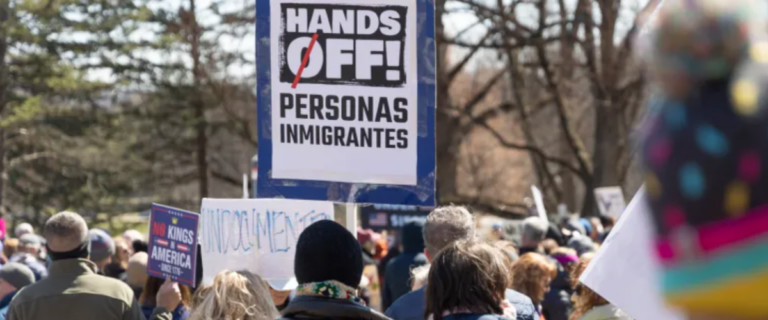
Despite Congress continuing to backroll ICE with amounts of money completely unfathomable to the everyday person, local governments are continuing to do everything in their power to dismantle key facets of the Trump Administration’s deportation agenda. The Minneapolis City Council passed an ordinance that prohibits the city from entering into a harmful law enforcement agreement with another governmental entity, unless the other agency’s officers are prohibited from concealing their identities while on duty. The ordinance was co-authored by four LPMN members: Councilmembers Aurin Chowdhury and Jason Chavez, Majority Leader Aisha Chughtai, and Vice-President Jamal Osman. The Essex County Board of Commissioners banned ICE or any federal immigration agents from accessing county owned or leased property, unless providing a judicial warrant or order. They also prohibited the county from assisting with civil immigration enforcement of any kind. Essex County Board of Commissioners Vice President A’Dorian Murray-Thomas helped spearhead this effort. The Portland City Council passed the “Right to Know Who’s Policing You” ordinance – led by Councilor Sameer Kanal – which prohibits all law enforcement from concealing their identities and requires them to display visible identification. And this November in Los Angeles, Angelenos will get the chance to let aspiring citizens vote thanks to Councilmember Hugo Soto-Martinez.

Fútbol in Our Cities: Joy & Resistance
The World Cup should be a joyful celebration of a game that brings together communities across neighborhoods and nationalities. But too often, mega-events often lead to displacement, surveillance, ICE raids, price gouging, labor exploitation, and more long-term issues for cities. Together, Local Progress members in 22 jurisdictions, including leaders from four host cities and neighboring communities, signed onto a joint letter calling on FIFA to uphold the human rights protections they committed to. Local elected officials are ready to fight back against ICE, protect workers, and to uphold human rights promises.

✊ LP Members Chart New Path Forward in the Face of Growing Authoritarianism
The Trump Administration’s federal deployments have been devastating for communities across the country. Just this month, a federal judge nullified six U.S. Department of Justice subpoenas targeting Minnesota during Operation Metro Surge. This politically motivated retribution against the governor, attorney general, the mayors of Minneapolis and St. Paul, and the Hennepin and Ramsey county boards was a clear abuse of the grand jury process.
Each community’s response points to a model of care where neighbors, local governments, and school districts mobilize to keep each other safe. Members from Minneapolis, D.C., and beyond convened in Los Angeles to share lessons learned and strategies for resistance. Together with our amazing partners at Public Rights Project and Mayors for America, we all helped chart a new path forward for local leaders in the face of growing oppression.
🏠 Fighting Back Together Against Abusive Preemption
In May, we were proud to host the “Local Power, Shared Futures: Preemption & Home Rule Strategy Summit” alongside the Local Solutions Support Center in Nashville! This summit brought together local officials, movement partners, lawyers, and researchers from across the country to develop a collective strategy around preemption. Through all of our sessions – whether discussing the messaging used to defeat xenophobic preemption in Tennessee or the similarities in Death Star laws from Texas to West Virginia – we focused not only on shared lessons from our losses but also on shared strategies for victory. Core to our fight for local control is learning not only how abusive preemption manifests, but also how to defeat it.
💗 Strengthening Collaborative Governance in Washington, New York City, and North Carolina
Collaborative Governance breaks down the barriers between government and community, centering people who have been historically marginalized, building authentic partnership to develop a shared strategy and vision to advance long-term, transformational policies. Together with re:power, we hosted a Collaborative Governance Academy in North Carolina to equip local elected officials with the skills, strategy, and shared language to govern collaboratively and courageously. We also concluded six-month long Collaborative Governance Lab training sessions with local elected leaders in New York City and Washington state. Through peer learning and practical skill-building, cohort members strengthened their ability to advance local priorities, build authentic partnerships, and lead effectively in complex political environments. Just as importantly, they formed connections with fellow local elected officials facing similar challenges and opportunities across their regions.

⚽ Our Copa: Join a World Cup Watch Party!
The World Cup brings our communities together, offering a unique moment to enjoy the shared fandom of soccer. Our partners Mijente and Working Families Party are hosting local tournaments and watch parties, highlighting political education, culture, history, and the working-class roots behind the World Cup. Find an event near you!
🤖 Stop the Billionaire Buildout of Data Centers
This month, Seattle joined more than 70 cities and counties — including Denver, New Orleans, and Minneapolis — that have enacted temporary or permanent bans on new data center construction. To help our members better understand data centers and the massive tech companies behind this buildout, we’ve developed a suite of one-pagers to demystify the topic. Each document breaks down industry terms, tells the truth about data center impacts, and lays out what local powers local officials have to help stop a data center project before it begins.
- Understanding the Data Center Expansion
- Demystifying the Real Cost of Data Centers
- How to Beat Back the Data Center Expansion
Our partners at Mijente, Just Futures Law and Surveillance Resistance Lab have also released a comprehensive new report, The Tech Behind ICE: Oligarchs, Immigration Enforcement and the Threat to Democracy. The Department of Homeland Security’s reach has evolved — powered by harmful surveillance tech, AI, predictive systems, and corporate partnerships that have moved far beyond borders and detention centers. The report explains how DHS is undermining our democracy, provides a deep dive into the invasive tech tools used, and offers strategies on fighting back.